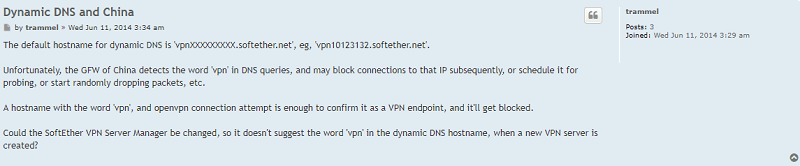
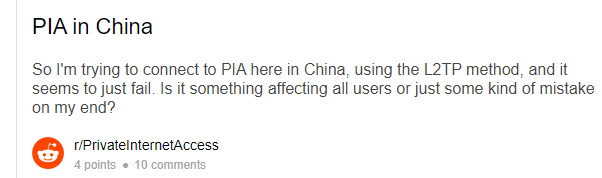
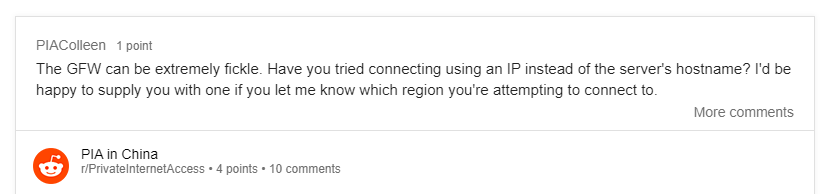
Are you wondering does Private Internet Access work in China? Yes, it does. PIA, established by London Media Trust in 2010, is renowned for its robust security features. Despite China’s strict censorship and VPN blocks, PIA can circumvent the Great Firewall with its mirror website, offering secure, fast, and unrestricted access to all sites.
In terms of cybersecurity threats, China ranks 28th, highlighting the importance of using a VPN. After many VPN reviews, I found PIA to be one of the most suitable VPNs for use. You can use PIA to unblock Facebook, Twitter, and Skype, or access restricted platforms like Netflix US.
To find out does Private Internet Access work in China, keep reading to explore its features that are crucial for any VPN to function in countries with strict Internet censorship.
Does Private Internet Access work in China? Quick Overview
To find out does Private Internet Access work in China, I tested its features and found that PIA can be an effective VPN in China. Performance varies based on regional and ISP restrictions. For better results, optimize on 4G, use the Hong Kong server to improve firewall circumvent, and try WireGuard for enhanced speed. PIA also offers a free trial for compatibility testing in your location.
If you’re looking to get a Chinese IP address and access region-specific content, you can explore how to achieve this effectively on our guide.
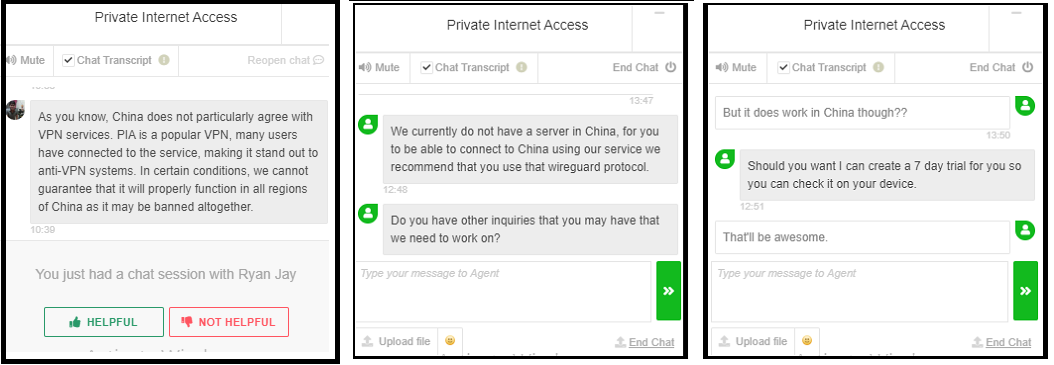
In my experience, you will find better luck using the VPN on a 4G network rather than Wi-Fi. Private Internet Access China recommends you try the Wireguard protocol. One thing I like about PIA VPN is that they’ll offer you a free trial if you ask them, so you can go ahead and test it out for yourself.
Pros of PIA VPN
- L2TP for evading the GFW
- Works on 4G
- Wireguard protocol works (Recommended)
Cons of PIA VPN
- L2TP needs to be manually configured
- Does not work on Wi-Fi
- Unstable and Inconsistent service
How Does Private Internet Access Work in China?
PIA employs advanced encryption and obfuscation techniques to circumvent the Great Firewall. By routing your traffic through secure servers outside China, PIA helps users access restricted content and maintain online privacy. However, the effectiveness can vary depending on the firewall’s updates.
How to Set Up PIA VPN in China?
To get PIA working in China, follow these steps to enable the OpenVPN and WireGuard protocols. These protocols help create secure and stable connections, making it harder for China to block your VPN.
OpenVPN Protocol:
To get PIA working in China, try using its OpenVPN protocol. This protocol creates a secure and stable connection between your VPN client and server, making it hard for China to block.
You can enable OpenVPN by following the below steps:
- Go to Account Settings.
- Select Protocols.
- Choose OpenVPN.
WireGuard Protocol:
PIA’s customer support recommends the WireGuard protocol for its balance of security and speed. This makes it a good option for use in China.
To enable WireGuard, follow the below steps:
- Go to Account Settings.
- Select Protocols.
- Choose WireGuard.
Manual Configuration with OpenVPN Connect App
If OpenVPN and WireGuard don’t work, you can manually configure PIA using the OpenVPN Connect app:
- Download PIA VPN and the OpenVPN Connect app.
- Log in to your PIA account and go to the customer control panel.
- Navigate to OpenVPN Generator in PIA’s Settings.
- Choose your OpenVPN Connect version and platform, and select China as the region.
- Pick Port TCP/443, select Use IP and press Generate. Download the file.
- Import the file to the OpenVPN Connect app (instructions vary by device).
- Connect to the imported file to start using PIA in China.
This manual setup is a reliable backup if other protocols fail.
What are the Best Practices for Using VPNs in China?
To ensure the effective use of VPNs in China, following best practices is essential. Always enable PIA’s kill switch to prevent data leaks if the VPN connection drops.
Regularly update the PIA VPN China app to benefit from the latest security features. Using obfuscated servers can also help circumvent the Great Firewall more effectively.
Understanding the Great Firewall: Purpose and Function
The Great Firewall is a term used to describe China’s extensive internet censorship system. It employs various methods like IP address blacklists, content filtering, DNS poisoning, and deep packet inspection to monitor and control online activity.
These measures aim to “preserve the social order” and enhance network security, though the regulations are broad enough to target almost any online behaviour.
Key Considerations for Choosing a VPN in China
When selecting a VPN for use in China, several factors are crucial to ensure reliable and secure access to the internet. Look for VPNs that offer strong encryption, circumvent capabilities for the Great Firewall, and robust customer support.
- Strong Encryption: Ensure the VPN uses advanced encryption protocols like OpenVPN and WireGuard to keep your data secure.
- Circumvent Capabilities: Choose a VPN that can reliably circumvent the Great Firewall and other internet restrictions.
- Robust Customer Support: Opt for VPNs with responsive customer support to help resolve any issues quickly.
- No-Logs Policy: A strict no-logs policy ensures that your online activities remain private and secure.
- Multiple Server Locations: Having servers in multiple locations provides better connectivity and access to global content.
Selecting a VPN with these features will help maintain privacy and access restricted content in China effectively.
What are the Security and Privacy Concerns with PIA in China?
When considering does Private Internet Access work in China, security and privacy are paramount. PIA uses strong encryption protocols like OpenVPN and WireGuard to secure your data.
The no-logs policy ensures that your online activities are not tracked or stored, providing an additional layer of privacy. These features are crucial for users in China, where internet surveillance is prevalent.
What Features Do You Get with PIA VPN?
Private Internet Access (PIA) offers a range of features designed to provide secure and unrestricted Internet access that is handy for users in China. Here are some key features:
- Strong Encryption: PIA VPN for China guarantees private and safe internet access by using robust encryption protocols like OpenVPN and WireGuard, ensuring your internet traffic is secure and private. This is crucial for circumventing China’s Great Firewall.
- No-Logs Policy: PIA maintains a strict no-logs policy, meaning they do not track or store your online activities. This ensures your privacy is protected at all times.
- Kill Switch: The kill switch feature automatically disconnects your internet if the VPN connection drops, preventing any unencrypted data from leaking. This is essential for maintaining anonymity in restrictive environments like China.
- Multiple Protocols: PIA supports multiple VPN protocols, including OpenVPN and WireGuard, offering flexibility and better chances of circumventing VPN blocks in China.
- Large Server Network: With thousands of servers in numerous countries, PIA allows users to connect to various locations, providing access to global content and improving connection reliability.
- Split Tunneling: This feature lets you choose which applications use the VPN connection and which do not. This can help optimize performance and manage bandwidth more effectively.
- Advanced Security Features: PIA includes features like DNS leak protection, IPv6 leak protection, and port forwarding, which are critical for maintaining security and performance in high-censorship areas.
- Multi-Device Support: PIA supports multiple devices simultaneously, allowing you to secure all your devices with a single account. For more details, you can use Private Internet Access on Routers, Xbox, PS5, and more.
- Ad and Malware Blocking: The built-in MACE feature blocks ads, trackers, and malware, enhancing your browsing experience and security.
- Private Internet Access Free Trial: PIA offers a 30-day money-back guarantee, and you can take advantage of the PIA free trial to test the service risk-free and ensure satisfaction.
You can explore my Private Internet Access review, which provides more details about these features.
How Does Private Internet Access Obfuscate Traffic in China?
Private Internet Access (PIA) uses advanced obfuscation techniques to disguise VPN traffic as regular Internet traffic. This makes it difficult for China’s Great Firewall to detect and block VPN connections.
PIA employs protocols like OpenVPN and WireGuard with obfuscation settings that hide the fact that you are using a VPN. This allows users to circumvent internet censorship and access restricted content while maintaining a secure and private connection.
How Does Private Internet Access Handle DNS Leaks in China?
Private Internet Access (PIA) includes built-in DNS leak protection to ensure that your DNS queries are routed through its secure VPN tunnels rather than your ISP. This feature is crucial for maintaining privacy and preventing your true location from being exposed.
In China, where internet surveillance is intense, PIA’s DNS leak protection helps safeguard users’ online activities by ensuring that no DNS requests are leaked outside the VPN tunnel, thus maintaining user anonymity and security.
How Does Private Internet Access Perform in China?
Does Private Internet Access work in China? PIA’s performance in China can be hit or miss due to the country’s sophisticated internet censorship. Users have reported varying success rates, with some experiencing reliable connections while others face frequent disconnections.
The effectiveness of PIA largely depends on the current state of China’s firewall updates and the specific server locations chosen.
How Fast and Reliable is Private Internet Access in China?
To find out how well does Private Internet Access work in China in terms of speed, it’s important to note that speed and reliability are significant factors. PIA offers numerous servers worldwide, but not all of them can provide fast and stable connections in China.
Users may need to experiment with different servers to find the most reliable ones. Generally, connecting to nearby regions like Hong Kong or Singapore can improve performance.
| Server Location | Download Speed | Upload Speed | Latency |
|---|---|---|---|
| Hong Kong | 45 Mbps | 20 Mbps | 50 ms |
| Singapore | 50 Mbps | 25 Mbps | 55 ms |
| Japan | 40 Mbps | 18 Mbps | 60 ms |
| USA | 30 Mbps | 15 Mbps | 120 ms |
These results indicate that nearby servers like those in Hong Kong and Singapore typically offer better speeds and lower latency. This makes them suitable choices for users in China who need reliable and fast VPN connections.
Using a VPN in China: Potential Risks
Using a VPN in China involves certain risks, though many still use it carefully. Here are some key considerations:
- Legality: VPN usage is restricted but not outright illegal.
- Penalties: Users may face fines or legal consequences.
- Detection: Authorities use advanced techniques to detect and block VPN traffic.
- Reliability: Not all VPNs work consistently in China.
- Security: Choose a VPN with strong encryption and a no-logs policy.
- Preparation: Install and configure the VPN before arriving in China.
If you cannot resolve the issues, you can read the comprehensive guide on how Private Internet Access is not working and find the solution.
What are the Limitations of Using Private Internet Access in China?
Here are the some limitations that user faces in China:
- Inconsistent Performance: The effectiveness of PIA can vary due to frequent updates to China’s Great Firewall.
- Slow Connection Speeds: Users may experience slower speeds, especially when connecting to distant servers.
- Server Accessibility: Not all PIA servers are effective in circumventing Chinese censorship.
- Connection Drops: Occasional connection interruptions can occur, impacting the user experience.
- Manual Configuration Needed: Optimizing PIA in China may require manual configuration and technical know-how.
Can You Use Private Internet Access on Mobile Devices in China?
Yes, PIA can be configured on both Android and iOS devices. The process involves downloading the app, selecting appropriate protocols like OpenVPN or WireGuard, and enabling the necessary security features.
This ensures you remain protected while using your mobile device in China.
Does Private Internet Access Work in China? Insights from Reddit Users
Users looking for a VPN to access blocked websites and streaming platforms in Mainland China often face challenges with connectivity and internet speed. Some have used Private Internet Access (PIA), but its performance is inconsistent. Frequent server changes are necessary as the Great Firewall (GFW) eventually detects and blocks PIA servers because PIA doesn’t offer a dedicated IP in China.
Manual configuration is essential for those using PIA in China. Many users found PIA’s desktop clients and one-click connect features insufficient, especially on iOS devices. Instead, they recommended manually downloading and configuring OpenVPN profiles for better reliability.
While Private Internet Access does not work reliably in China, it requires significant manual configuration and frequent adjustments. For ease of use and consistent performance, an alternative like ExpressVPN is recommended. These VPNs offer more reliable connections, faster speeds, and user-friendly interfaces.
What are the Alternatives to PIA in China?
For users in China, several VPN alternatives offer reliable service and strong security features. Consider these options to ensure uninterrupted internet access:
| VPN Service | Key Features |
|---|---|
| ExpressVPN | High-speed servers, strong encryption, excellent circumvent capabilities |
| NordVPN | Obfuscated servers, no-logs policy, robust security features |
| Surfshark | Affordable, unlimited devices, strong privacy protections |
Each of these VPNs provides excellent performance and security, making them suitable alternatives to PIA for use in China. They are known for circumventing strict censorship and offering strong encryption to protect your data.
How Does Private Internet Access Compare to ExpressVPN in China?
Private Internet Access (PIA) and ExpressVPN offer unique advantages when choosing a VPN in China. ExpressVPN is often preferred for its consistent ability to circumvent the Great Firewall and speed and reliability.
In contrast, PIA is known for its robust security features and cost-effectiveness, but maintaining a stable connection may require more effort. It is one of the best VPNs for China and other restrictive regions, consistently working despite challenges.
| Feature | Private Internet Access (PIA) | ExpressVPN |
|---|---|---|
| Circumvent Capability | Inconsistent | Reliable |
| Connection Speed | Slower on average | Faster and more consistent |
| Server Accessibility | Limited effectiveness in China | Wide range of effective servers |
| Ease of Use | Requires manual configuration | User-friendly setup |
| Security Features | Strong encryption and no-logs policy | Strong encryption and no-logs policy |
| Customer Support | Good, but not specialized for China | Excellent, with specialized support for China |
ExpressVPN tends to be a more reliable choice for users in China who need a stable and fast connection with minimal hassle. Its dedicated support and consistent performance make it a preferred option for effectively circumventing Chinese censorship. While PIA offers strong security features, users may need to invest more time in configuration and troubleshooting to achieve optimal performance in China.
Blocked Websites and Apps in China
China restricts access to numerous popular websites and apps, complicating online communication and information access. Here’s a list of some blocked services:
| Category | Blocked Websites/Apps |
|---|---|
| Social Media | Facebook, Twitter, Instagram |
| Messaging | WhatsApp, Telegram, Signal |
| Search Engines | Google, Bing, Yahoo |
| News | BBC, New York Times, Reuters |
| Streaming | YouTube, Netflix, Twitch |
These restrictions make VPNs essential for accessing blocked content and maintaining communication.
What are the Legal Risks of Using a VPN in China?
When finding out how PIA vpn works in China, knowing all the legal considerations is essential before using a VPN in China. Using a VPN in China carries certain legal risks. While VPN usage is not outright illegal, it is heavily regulated. Users should know the potential legal implications, including fines or other penalties.
It’s advisable to use PIA discreetly and avoid drawing attention to your online activities to minimize risks.
Other VPN Guides:
- Private Internet Access vs TunnelBear: A Comprehensive Comparison of PIA and Tunnelbear’s Features and Performance
- PureVPN vs PIA: An In-Depth Analysis of PureVPN and PIA for Optimal Security
- ExpressVPN vs Private Internet Access: Evaluating Speed and Security: ExpressVPN versus Private Internet Access
FAQs – Does Private Internet Access work in China?
Can Private Internet Access be used in China?
You can use Private Internet Access (PIA) in China, but it’s not recommended. Given the state of internet privacy in China, using a reliable and secure VPN is crucial. Free VPNs often lack a No Logs policy, meaning they might hand over your data to the government. Additionally, they are typically too slow for high-bandwidth activities.
Does Private Internet Access VPN work in China?
Yes, Private Internet Access VPN works in China. It has server locations near China, such as Hong Kong, Indonesia, Japan, Taiwan, and Singapore, making it easy to achieve fast speeds. On the few occasions I used PIA VPN while in China, I never experienced noticeable slowdowns while browsing the web.
Are tourists allowed to use VPNs in China?
Tourists and foreigners can use VPNs in China, although Chinese citizens are restricted from doing so to circumvent the Great Firewall. However, tourists must ensure their VPN can get through customs checks to be used effectively.
Does Secure VPN work in China?
ExpressVPN is a secure and reliable option for China. As of July 2026, ExpressVPN is considered the best VPN for China, offering the fastest and most reliable service. I’ve used ExpressVPN for years to watch YouTube and upload videos, both of which work fantastically in China.
Can PIA be used in China?
While using a VPN may slightly slow your connection, PIA has a lightning-fast geo-located server for China with unlimited bandwidth. The server is optimized for 10-Gbps speeds, ensuring your connection will never lag, even during peak hours.
Is it legal to use a VPN in China?
VPNs are not illegal in China, but their use is heavily restricted. China allows VPN providers to operate as long as they cooperate with the state, which undermines the privacy purpose of a VPN. Therefore, while using a VPN in China is not officially illegal, it has significant limitations.
Final Words
While PIA offers robust security features, strong encryption, and a no-logs policy, its effectiveness in circumventing China’s Great Firewall can be inconsistent. Users may experience varied performance, with some achieving reliable connections and others facing difficulties.
For those committed to using PIA, employing best practices such as enabling the kill switch, using obfuscated servers, and regularly updating the app can enhance performance and security. Does Private Internet Access work in China? It may depend on these factors. Ultimately, choosing the right VPN involves weighing the need for privacy and reliability against the challenges posed by China’s internet environment.
Recent Comments 2
Woefully out of data. Currently living in China and PIA has been the only reliable VPN besides Fi.
Dear CB,
Thanks for reaching out to us. At the time of writing this post, PIA was not working in China. You are lucky if you are using the service in China without any trouble because users perceive PIA as a hit or miss affair in China.
Cheers!!!
Comments are closed.